Find Your Perfect Pair of Ultimate Running Shoes Guide
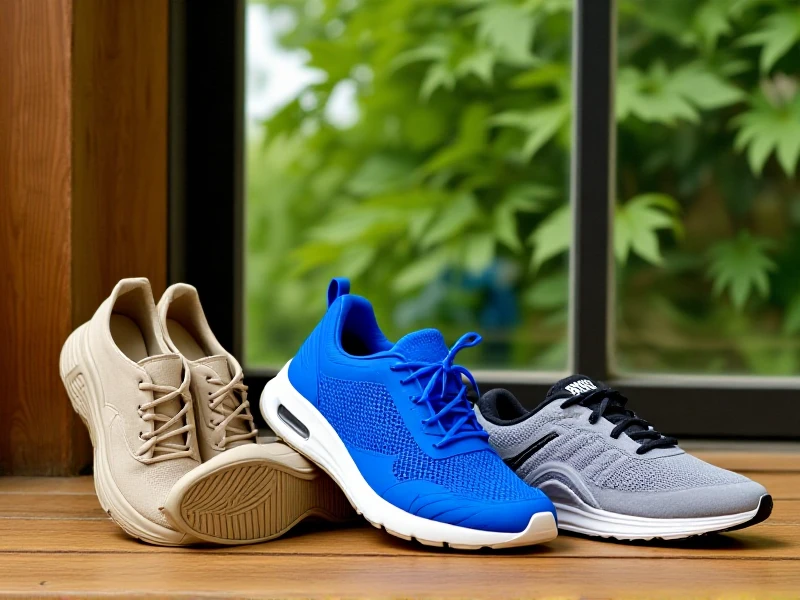
Choosing the right running shoes is absolutely crucial for performance and injury prevention. Whether you're training for your next marathon, enjoying casual jogs, or hitting the trails, running shoes specifically designed for your gait, foot type, and terrain make a world of difference. This guide explores key factors to help you discover your ideal pair.
Understanding your foot mechanics is the first step towards comfortable, injury-free runs. Most runners fall into motion control categories: neutral pronation, overpronation, or underpronation (supination). Identifying your gait pattern – often done through gait analysis at a specialized running store – is vital. Neutral runners typically have good stability and benefit from cushioned, neutral shoes. Overpronators roll their feet inward excessively and usually require stability running shoes or motion control shoes for enhanced support. Supinators wear down the outer edges and generally need well-cushioned, neutral shoes with flexibility. Don't guess – a gait analysis is worth it!
Next, consider the terrain. Road running shoes are lighter with soles designed for pavement, offering cushioning to absorb pavement impact. Trail running demands different motion control features: deep, aggressive lugs for superior grip on dirt, mud, and rocks, plus reinforced uppers for protection and enhanced stability on uneven ground. Hybrid shoes exist but specific shoes excel in their intended environment. Your choice between road and trail running shoes significantly impacts comfort and safety.
Finding the right fit is non-negotiable. Always try shoes on later in the day when your feet are naturally slightly swollen (as they are after miles). Wear your regular running socks. There should be roughly a thumb's width (about half an inch) between your longest toe (often the second toe) and the shoe's end to prevent bruising on downhills. The heel should fit snugly without slippage, and the midfoot should feel secure without tightness across the top. Ensure the toe box has enough room for your toes to splay naturally during your stride. Walk and ideally jog around the store. Trust how they feel immediately; don't expect a significant "break-in" period for modern performance running shoes.
Popular brands like Nike, Brooks, Asics, Hoka, Saucony, and New Balance offer extensive lines categorized by cushioning level (minimalist, moderate, maximal), stability type (neutral, stability, motion control), and intended use. Don't get blinded by trends or colors alone – focus on fit and function. Replace your shoes every 300-500 miles as the midsole cushioning loses its ability to effectively absorb impact, increasing injury risk. Pay attention to unusual aches or wear patterns on the outsole. Investing time in selecting the perfect running shoes tailored just for you enhances comfort, boosts performance, and is fundamental for enjoying running injury-free for miles and years ahead!